
When it comes to fire safety in buildings, one crucial element often overlooked is the role of fire rated glass doors. While they might seem like just another architectural feature, these doors serve a far more important purpose than simply looking good. In this blog post, we’ll dive into what fire rated glass doors are, their significance in building evacuation plans, and how they contribute to overall safety.
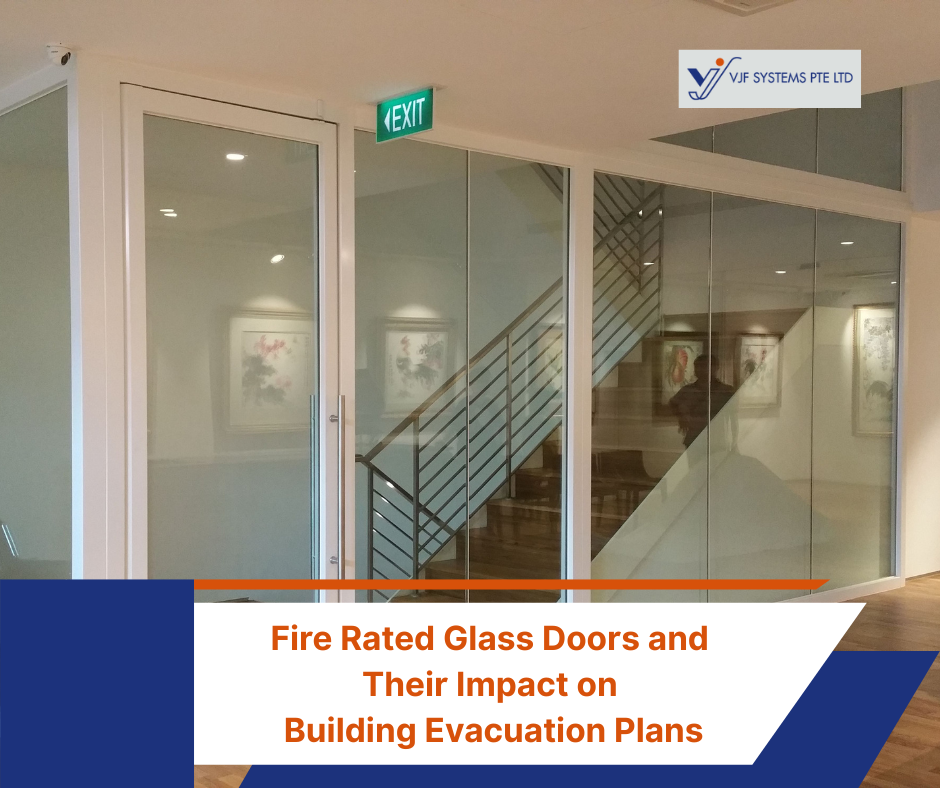
What are fire rated glass doors
Fire rated glass doors are specially designed to withstand high temperatures and prevent the spread of flames and smoke during a fire. This type of glass is tested and rated according to its ability to resist heat and maintain its integrity under fire conditions. The ratings typically range from 20 minutes to 120 minutes, indicating how long the door can withstand fire exposure.
These doors are made with materials that are not only durable but also provide visibility and aesthetic appeal. In settings like offices, retail spaces, and public buildings, they serve as barriers that help compartmentalize fire, giving occupants more time to evacuate safely.
Importance of fire rated glass doors
Building evacuation plans are designed to ensure that everyone can exit safely and efficiently in case of an emergency. Fire rated glass doors play a pivotal role in these pans for several reasons.
Enhancing visibility
One of the key benefits of fire rated glass doors is visibility. In an emergency, it’s crucial for occupants to see the exits clearly. These doors allow light to pass through, making it easier to identify safe pathways. This transparency can significantly reduce panic and confusion during an evacuation, helping people make quick decisions.
In many cases, buildings can become disorienting during a fire. Smoke, loud alarms, and the chaos of a potential emergency can impair judgment. Fire rated glass doors help mitigate this confusion by providing a clear view of exit signs and safe routes. When people can see where they are going, they are more likely to follow evacuation procedures calmly and efficiently.
Containing fire and smoke
Fire rated glass doors are designed to contain fire and smoke, effectively slowing down their spread. This containment allows more time for occupants to evacuate and for emergency services to respond. By compartmentalising the fire, these doors help create safe zones within a building, reducing the risk of smoke inhalation and other dangers that can occur during a fire.
The ability to slow the spread of fire is paramount in ensuring that emergency responders can address the situation without being overwhelmed. Fire rated glass doors can help localize the fire, allowing firefighters to focus their efforts where they are most needed. This increased response time can be crucial in saving lives and minimizing property damage.
Compliance with safety regulations
Building codes and safety regulations often require the installation of fire rated glass doors in certain areas to meet fire safety standards. Ensuring compliance not only protects the occupants but also helps building owners avoid potential legal liabilities. A well-thought-out evacuation plan that includes these doors demonstrates a commitment to safety and can lead to better outcomes during emergencies.
Failing to meet fire safety standards can result in severe consequences, including fines, legal action, and, most importantly, jeopardizing the safety of occupants. By investing in fire rated glass doors, building owners can not only adhere to regulations but also enhance their reputation as responsible stakeholders in public safety.
Designing effective evacuation plans
When incorporating fire rated glass doors into evacuation plans, there are a few key considerations to keep in mind.
Identifying key locations
First, it’s essential to identify where fire rated glass doors should be placed. Common areas include hallways, stairwells and entrances to critical spaces like mechanical rooms. These strategic placements can help guide occupants safely during an emergency.
In addition to identifying locations, it’s important to evaluate the flow of traffic within the building. Understanding how people typically move through the space can inform where fire rated glass doors will be most effective in guiding evacuations. For instance, placing them near congested areas can help direct traffic away from potential hazards.
Training and drills
Even the best evacuation plans are only as good as the people who follow them. Regular training and drills are crucial to ensure that everyone knows what to do in case of a fire. Familiarity with the layout of the building, including the locations of fire rated glass doors, can make a significant difference in how quickly and safely people evacuate.
Conducting regular fire drills not only prepares occupants for emergencies but also helps identify potential issues with the evacuation plan. Every drill provides an opportunity to assess the effectiveness of the fire rated glass doors in facilitating a smooth evacuation. Feedback from participants can lead to improvements in both the plan and the physical setup of the building.
Clear signage
Signage plays a vital role in any evacuation strategy. Clear, visible signs should direct occupants toward exit routes and highlight the presence of fire rated glass doors. This visual guidance can help minimise confusion and ensure that everyone knows the safest path out of the building.
Signage should be designed to be easily understood, even under stressful conditions. Using symbols and colours that are universally recognized can enhance comprehension. In addition, regular assessments of signage effectiveness should be conducted to ensure that it remains clear and visible, especially if the building undergoes renovations or changes in layout.
The future of fire safety
As building designs evolve, the integration of fire rated glass doors is becoming more common. Architects and builders are increasingly recognising the dual benefits of safety and aesthetics. These doors not only meet fire safety standards but also enhance the overall look of a space, creating a welcoming environment that doesn’t sacrifice safety.
Moreover, advancements in technology are leading to improved materials and design techniques. Future fire rated glass doors may offer even better performance in terms of heat resistance and smoke containment, ensuring that occupants are even safer during emergencies.
The use of smart technology in fire safety is also on the rise. For instance, integrating sensors that can detect smoke or heat can trigger alarms and automated systems to guide occupants to safety. This technology could be paired with fire rated glass doors to create an even more comprehensive safety system.
Safety first: The bottom line
Fire rated glass doors are more than just a stylish addition to modern buildings; they play a critical role in fire safety and evacuation plans. By enhancing visibility, containing fire and smoke, and ensuring compliance with safety regulations, these doors help create safer environments for everyone. As we move forward, it’s essential to continue prioritizing fire safety in building design and planning.
Incorporating fire rated glass doors into evacuation plans not only protects lives but also fosters a culture of safety and preparedness. So the next time you walk through a fire rated glass door, remember—it’s not just a door; it’s a vital component of your safety.